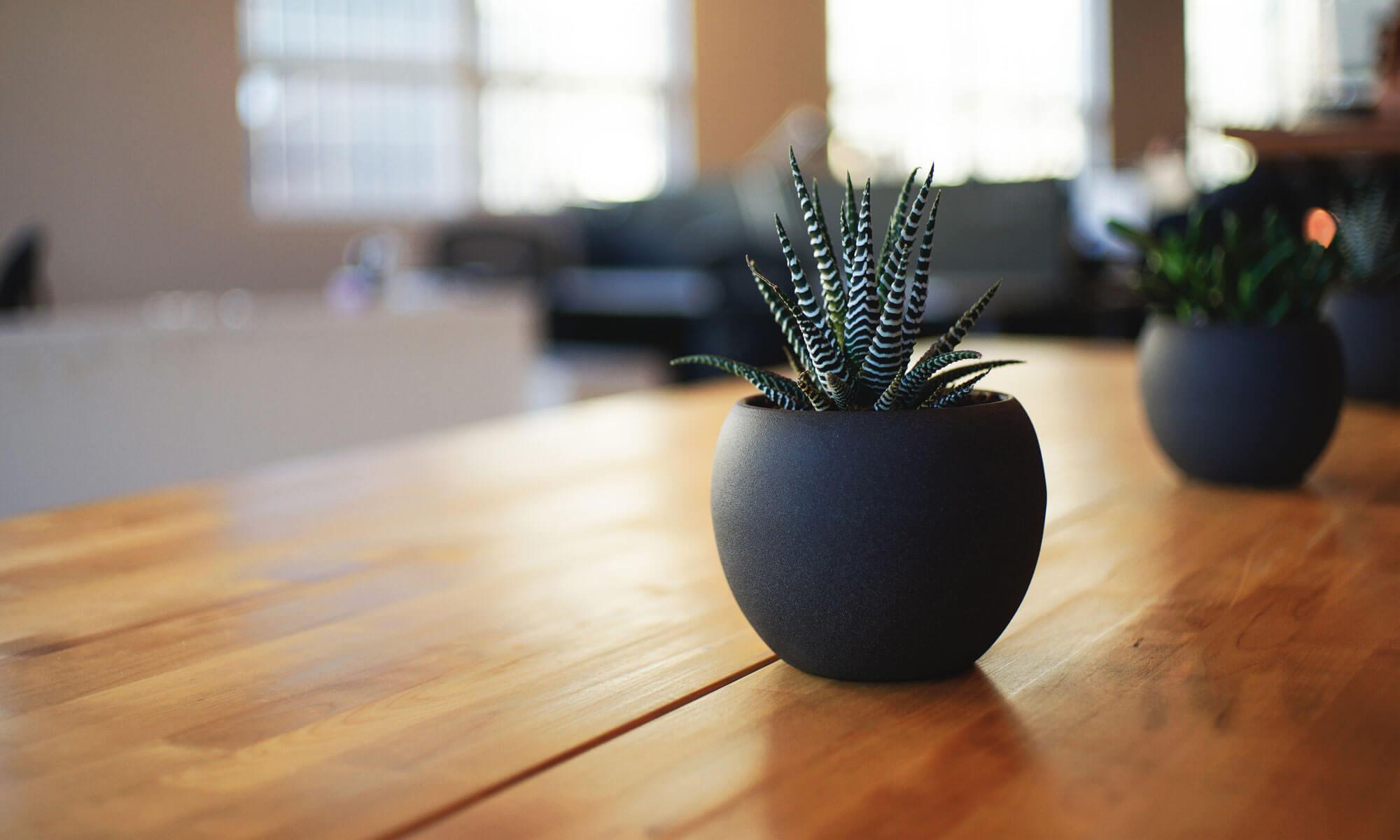
Elevating public spaces requires a keen understanding of brand aesthetics and client needs. Thoughtfully designed environments enhance functionality while making a lasting impression.
Expertise in office styling reflects the personality of a brand and fosters a productive atmosphere. Every detail contributes to a cohesive narrative that resonates with visitors and employees alike.
Creativity blended with strategic planning results in spaces that encourage collaboration and innovation. A well-curated setting invites interaction, creating an engaging experience for all who enter.
Optimizing Space for Guest Experience in Hospitality Design
Utilize flexible furniture arrangements to create inviting atmospheres in dining areas. Modular seating allows for varied configurations, catering to different group sizes and enhancing social interactions.
Consider the flow of movement in public spaces. Clear pathways facilitate easy navigation, making it easier for patrons to engage with various amenities while preventing bottlenecks.
Incorporate biophilic design elements to enhance the visual appeal of interiors. Natural materials and views of greenery not only elevate aesthetics but also contribute to a sense of calm among visitors.
Strategically position lighting to emphasize key areas. Warm lights over dining tables promote comfort, while brighter fixtures in reception zones ensure areas remain inviting and engaging.
Implement sound-absorbing materials in walls and ceilings to reduce noise levels. This is particularly beneficial for restaurant interiors, allowing guests to enjoy conversations without distraction.
Color selection plays a significant role in mood shaping. Opt for soft, neutral palettes that induce relaxation, while accent colors can guide attention toward focal points.
Utilize art and decorative objects thoughtfully to reflect the brand’s identity. These elements can spark conversations and create memorable experiences for patrons.
Regularly assess space functionality to adapt to guest needs. Engaging with customer feedback can guide thoughtful modifications, enhancing satisfaction and encouraging repeat visits.
Color Schemes and Materials for Commercial Environments
A harmonious blend of colors and materials can significantly enhance brand aesthetics in restaurant interiors and public spaces. Opt for a palette that reflects the brand identity, ensuring that the colors align with the overall theme. For example, earthy tones combined with pops of vibrant shades can evoke warmth and energy, creating an inviting atmosphere for patrons.
Metallic accents like brass or copper can introduce sophistication, especially when paired with natural materials such as wood or stone. These combinations not only elevate the decor but also emphasize durability and elegance, which are key in high-traffic areas. Reclaimed wood can add character, simultaneously providing a sustainable option that appeals to environmentally conscious consumers.
Experience live dealers at https://charmean-neithart-interiors.com/ for real casino action.
Textures play a pivotal role in creating depth within a space. Matte finishes can soften the ambiance, while glossy surfaces can brighten areas and enhance light reflection. Incorporating various textiles, such as plush upholstery or woven rugs, can provide a cozy feel, making diners feel at home while aligning with overall design intentions.
Lighting can dramatically change how colors are perceived in restaurant interiors. Warm lighting can accentuate rich tones, while cooler lights can make spaces feel fresh and contemporary. Carefully considering the type of fixtures and their placement ensures that every hue contributes positively to the experience of those in public areas.
The choice of materials should also consider practicality and maintenance. Hard surfaces may be easier to clean but can feel cold or sterile. Mixing materials, such as pairing sleek tiles with soft furnishings, can strike a balance. This approach keeps spaces functional yet inviting, encouraging guests to linger longer.
Ultimately, the goal is to create an environment that resonates with the target audience. A thoughtful selection of color schemes and materials not only enhances the aesthetic but also embodies the values of the brand, contributing to a memorable experience in both restaurants and wider commercial contexts.
Integrating Functionality with Aesthetics in Restaurant Interiors
Employing a cohesive approach that harmonizes brand aesthetics with practical elements can dramatically enhance the dining experience. Thoughtfully designed public spaces must focus on ergonomics, ensuring that furniture and layout facilitate smooth service and customer satisfaction. When creating restaurant environments, incorporate flexible seating arrangements and customizable layouts, allowing for adaptability during peak hours while also reinforcing the visual identity of the establishment.
Applying principles from office styling can inform the creation of inviting atmospheres. Consider materials, textures, and color palettes that resonate with the target audience. Textures such as wood or fabric can soften spaces, while bold color choices refresh the ambiance. Use the table below to explore different materials and their corresponding impacts on consumer perceptions:
| Material | Effect on Atmosphere |
|---|---|
| Wood | Warmth and intimacy |
| Metal | Modern and industrial feel |
| Glass | Open and airy ambiance |
| Fabric | Comfort and coziness |
Trends in Sustainable Practices for Commercial Spaces
Incorporating reclaimed materials into restaurant interiors not only promotes eco-friendliness but also enhances brand aesthetics. Salvaged wood, vintage fixtures, and upcycled decor create unique environments, setting establishments apart while minimizing waste. Integrating these elements helps to craft a narrative that reflects a commitment to sustainability.
Biophilic design has gained significant traction in public spaces, fostering a connection between users and nature. By introducing living walls, indoor gardens, and natural light, these areas become more inviting and rejuvenating. This approach not only benefits patrons but also improves indoor air quality, contributing to a healthier atmosphere.
- Use of energy-efficient lighting solutions, reducing environmental impact.
- Implementation of water conservation systems, crucial for sustainability.
- Adoption of local sourcing for materials and foods, supporting community businesses.
Flexible layouts are emerging as a trend, allowing spaces to adapt to various functions. This versatility is particularly beneficial in restaurants, where different seating arrangements can cater to distinct dining experiences. Such adaptability enhances the overall utility and encourages repeat visits.
Finally, the focus on creating minimalistic designs cannot be overlooked. Simple aesthetics, combined with sustainable materials, resonate well with modern consumers. This approach not only streamlines maintenance but also enables brands to communicate their values effectively through every detail.
Q&A:
What are the key design principles that Charmean Neithart Interiors applies in hospitality settings?
Charmean Neithart Interiors focuses on creating inviting and functional spaces that cater to the unique needs of each establishment. Their design principles emphasize comfort, aesthetic appeal, and practical layouts that enhance the guest experience. This often includes the careful selection of color palettes, furnishings, and lighting to create a cohesive atmosphere that reflects the brand’s identity.
How does Charmean Neithart Interiors approach sustainability in their commercial designs?
Sustainability is a significant consideration in Charmean Neithart Interiors’ designs. They incorporate eco-friendly materials and efficient technologies, such as energy-saving lighting and sustainable furnishings. The firm often collaborates with suppliers who prioritize sustainable practices, ensuring that their projects align with environmental responsibilities while maintaining high aesthetic standards.
Can you describe a notable project by Charmean Neithart Interiors in the hospitality sector?
One notable project is a luxury hotel renovation that blends modern elegance with local cultural elements. Charmean Neithart Interiors transformed common areas and guest rooms, integrating custom artwork and locally sourced materials. The project showcased the firm’s ability to honor the local environment while providing guests with a unique and comfortable experience, encouraging them to engage with the surrounding community.
What distinguishes Charmean Neithart Interiors from other commercial design firms?
Charmean Neithart Interiors stands out due to its personalized approach to each project. They prioritize understanding their clients’ vision and operational needs, which allows them to create customized solutions that resonate with both the brand and its audience. Their commitment to client collaboration, attention to detail, and extensive industry knowledge contribute to their reputation for developing innovative and successful spaces.