Testing the atmosphere in residential settings can significantly reduce allergens that impact health. Regular evaluation allows homeowners to understand the levels of particulates and pollutants present, leading to informed decisions about solutions.
Utilizing data collected from assessments, effective filtration systems can be identified and implemented, enhancing overall wellness. This proactive approach not only contributes to a cleaner environment but also fosters a longer, healthier life.
Investing in such analysis serves as a safeguard against numerous health issues associated with contaminants. Prioritizing the purity of surroundings reflects a commitment to well-being for all who reside within.
Identifying Sources of Indoor Pollutants
Begin by examining common household items. Many products, from cleaners to personal care items, can release harmful substances into the environment. Check labels for volatile organic compounds (VOCs) and choose alternatives with low emissions.
Humidity control plays a significant role in mitigating pollutants. High moisture levels can promote mold growth, which can lead to respiratory issues. Utilize dehumidifiers or air conditioners to maintain optimal humidity levels, ideally between 30-50%.
Ventilation systems must be regularly inspected. The accumulation of dust, pollen, and other particulates in ducts can result in contamination circulating throughout the spaces you occupy. Clean filters and consider routine professional maintenance to keep systems functioning properly.
Evaluate the presence of pests. Insects and rodents can introduce allergens and bacteria, worsening health. Implement strategies for pest control to minimize exposure to these harmful elements.
Assess the furnishings in your living area. Some materials can emit formaldehyde and other harmful chemicals over time. Opt for natural, low-emission alternatives when purchasing new items to enhance the safety of your surroundings.
Incorporate high-quality filtration systems in HVAC units. Air purifiers equipped with HEPA filters can significantly reduce airborne pollutants. Regularly replace filters to ensure maximum efficiency in capturing contaminants.
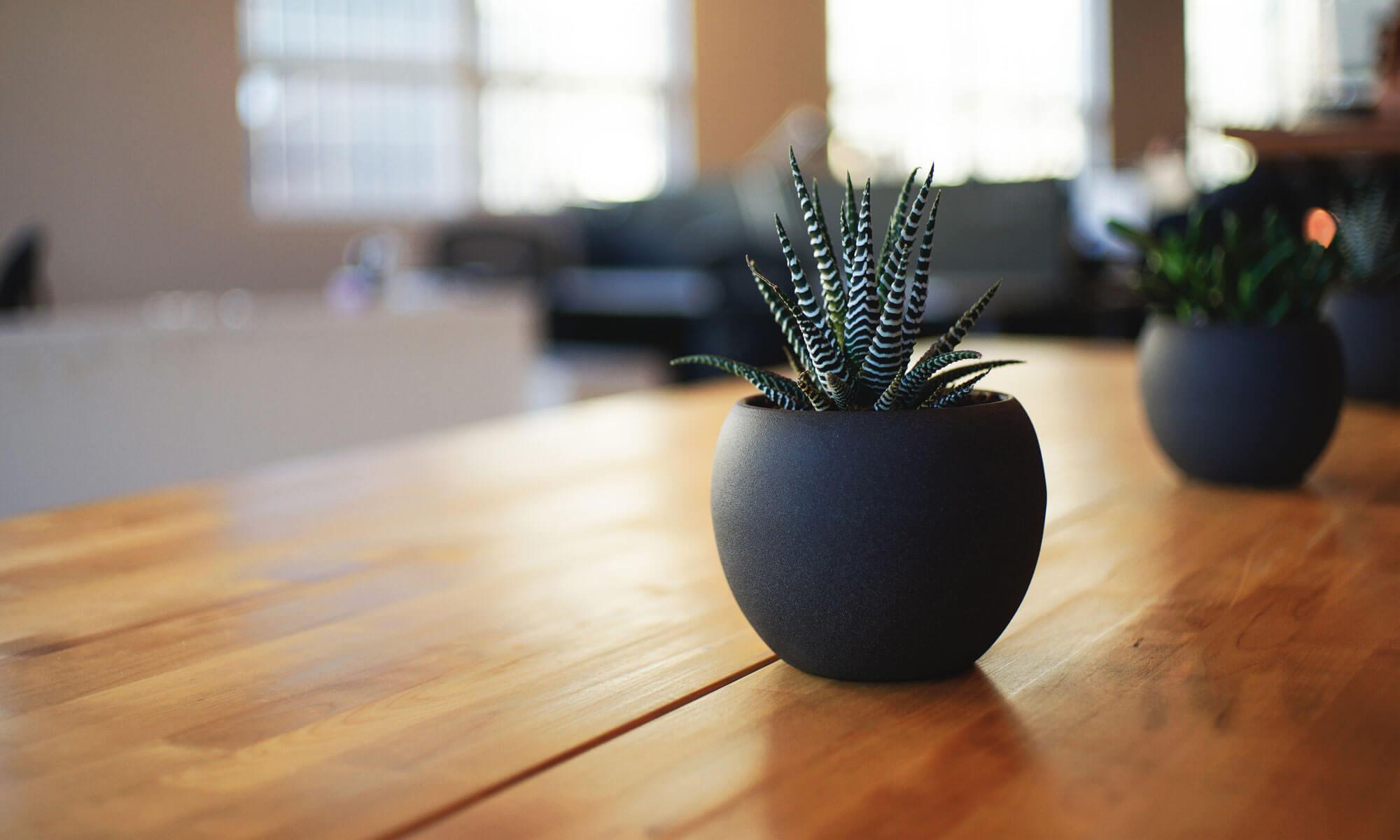
Plants can enhance the atmosphere and contribute positively when chosen wisely. Certain species may absorb toxins naturally, improving the home’s environment while adding aesthetic value. However, ensure that selected plants are non-toxic to pets and humans.
Continually monitor and assess these elements in your living spaces. Maintaining a clean, well-ventilated environment not only promotes better health but contributes to overall well-being by minimizing the risk of exposure to harmful substances.
Understanding the Health Impacts of Poor Air Quality
Regular evaluation of environmental conditions in living spaces can dramatically enhance wellbeing. Addressing potential hazards ensures a healthier atmosphere for occupants.
Exposure to harmful substances can lead to various health concerns. Breathing in polluted surroundings may result in respiratory illnesses, allergic reactions, and general discomfort. Allergens such as dust mites, mold spores, and pet dander thrive in unmonitored spaces.
High levels of humidity can exacerbate problems related to allergens. Molds flourish in moist conditions, potentially leading to severe respiratory issues. Implementing humidity control measures can significantly reduce these risks, contributing to a safer environment.
- Coughing and sneezing
- Headaches
- Fatigue
- Dry skin and eyes
Identifying sources of contaminants allows homeowners to take immediate action. Regular inspections can help pinpoint issues before they escalate, promoting a healthier living experience. Consider seeking professional help to assess residential environments effectively.
Maintaining optimal conditions further aids in preventing chronic illnesses. Regular monitoring aids in improving general comfort levels and fosters a sense of security within living spaces. More information can be found at https://orangecoastplumbing.info/.
In conclusion, understanding the consequences of subpar environmental conditions underscores the need for regular assessments. Prioritizing health ensures a safe and refreshing atmosphere for all inhabitants.
Improving Home Comfort and Energy Efficiency
Regularly monitor humidity levels to create a more pleasant environment. Elevated humidity can lead to mold growth and exacerbate health issues. By maintaining optimal moisture levels, one can significantly reduce allergens and improve overall well-being.
Installing a reliable filtration system helps capture particles that trigger allergies. High-efficiency particulate air (HEPA) filters trap dust, pollen, and other irritants, ensuring cleaner breathing conditions. This is especially beneficial for individuals with respiratory concerns.
- Opt for programmable thermostats to manage energy consumption.
- Seal windows and doors to prevent heat loss.
- Utilize shades or curtains to regulate temperature.
Incorporating plants into living spaces can enhance comfort while boosting aesthetics. Certain varieties purify the atmosphere, simultaneously increasing humidity, which can positively influence comfort levels. Adopting these simple strategies improves both the ambiance and energy efficiency.
Choosing the Right Testing Methods and Tools
Select methods that specifically target allergens present in the environment, ensuring they accurately detect pollutants. Consider using a multi-functional device capable of identifying various contaminants while measuring necessary metrics like humidity levels.
Humidity control is paramount in maintaining a healthy environment. Utilizing a hygrometer alongside filtration devices helps maintain optimal moisture levels, preventing mold growth and other moisture-related issues.
Investing in a high-efficiency particulate air (HEPA) filter upgrades filtration systems tremendously. These filters capture small particles, drastically improving the atmosphere by eliminating harmful substances.
Consider periodic assessments using portable kits that can analyze specific allergens or pollutants effectively. They provide immediate results, allowing for quick adjustments in handling air quality concerns.
| Tool/Method | Function |
|---|---|
| Hygrometer | Measures humidity levels |
| HEPA Filter | Captures allergens and particles |
| Portable Testing Kits | Analyzes specific contaminants |
Q&A:
Why is indoor air quality testing important for homeowners?
Indoor air quality testing is essential because it helps identify pollutants like allergens, mold, and VOCs that can affect health. By understanding these components, homeowners can make informed choices about ventilation and air filtration, leading to a healthier living environment.
What are some common pollutants found in indoor air?
Common indoor air pollutants include tobacco smoke, household cleaning products, mold spores, dust mites, pet dander, and formaldehyde from furniture. Recognizing these pollutants through testing allows homeowners to take steps to reduce their presence and improve air quality.
How often should I test the air quality in my home?
It is recommended to test indoor air quality at least once a year or whenever there are changes in your home, such as renovations, new furniture, or after a water leak. Regular testing helps monitor levels of pollutants and determine if changes in your home may be impacting air quality.
What methods are available for testing indoor air quality?
Several methods exist for testing indoor air quality, including at-home testing kits, professional assessments, and continuous air monitoring systems. Each method varies in complexity and cost, allowing homeowners to choose one that fits their needs and budget.
Can improving indoor air quality have an impact on my health?
Yes, improving indoor air quality can significantly enhance health. Better air quality can lead to fewer respiratory issues, reduced allergy symptoms, and overall better well-being. Actions taken following testing results can bring about immediate improvements in how you feel in your home.